
In-Stock Ammunition Available Now for Immediate Shipping and Pickup
A shooter preparing for a range session can rely on in stock ammunition for immediate purchase and same-day use, eliminating any waiting period. This 7.62×39 Ammo for Sale ammo functions through a primer igniting propellant powder, which propels the bullet down the barrel with consistent pressure. Having rounds on hand allows for uninterrupted practice, zeroing optics, or verifying a defensive load’s point of impact without supply delays. Simply select the correct caliber and grain weight for your firearm, and load it directly from the box into your magazine or cylinder.
Why Ready-to-Ship Ammo Matters for Your Next Range Day
When your range day is locked in, the last thing you want is ammo that’s stuck in backorder limbo. Ready-to-ship ammo means the boxes are physically on the shelf, so your order gets boxed and dropped at the carrier the same day—no waiting for a restock that might take weeks. That’s why checking for in stock ammunition first is a non-negotiable habit. You can confirm inventory instantly, pay, and move on, keeping your shooting plans flexible instead of tethered to a vague “ships when available” date. In stock ammo is the difference between a guaranteed trigger hour and a disappointing reschedule. Quick Q: Why does ready-to-ship matter? A: Because it eliminates the guessing game, letting you pack your range bag knowing the rounds are already moving, not pending.
How Immediate Availability Saves You From Empty Shelves and Delayed Orders
When you buy **in stock ammunition**, you skip the dreaded “backorder” limbo entirely. Immediate availability means your order ships the same day, not whenever the next batch clears customs or restocks. That directly saves you from walking into a packed store only to find shelves wiped clean—because you’ve already secured 5.7x28mm Ammo for Sale your rounds online. Delayed orders vanish when the item’s physically on our shelf, ready for the label. No “waiting for supplier” emails, no missed range slots. You grab your box, hit the range, and shoot. That’s the whole point: zero waiting, zero guessing.
Q: How does immediate availability prevent empty-shelf panic?
A: You bypass the store entirely. If it’s listed as in stock, it’s physically here—so you lock in your ammo before someone else snags it, and your order ships before any restock delays can hit you.
What “In Stock” Really Means for Lot Consistency and Freshness
When a retailer shows ammo “in stock,” it often means the physical rounds are already on their shelf, not a backorder. For lot consistency, this translates to a single, unbroken production run from the manufacturer—same powder charge, same bullet weight, same case dimensions. Freshness also benefits because stock turnover is higher; older lots get sold faster, reducing the chance of moisture-induced primer degradation or powder breakdown. A “in stock” status lets you request the lot number before purchase, confirming you’re buying identical rounds for zero point-of-impact shift. This matters for zeroing a scope or competing, where mixed lots cause fliers. Lot-verified freshness is the hidden advantage of buying immediately available ammunition.
“In stock” means one production lot and recent turnover, giving you consistent ballistics and reliable ignition—not stale or mixed inventory.
Matching the Right Cartridge to Your Firearm’s Specific Needs
When pulling from in stock ammunition, matching the right cartridge to your firearm’s specific needs starts with verifying the chamber stamp, not the barrel length or action type—a .308 Win round in a 7.62×51 rifle might chamber, but pressure curves differ, so confirm your manual’s exact cartridge designation before buying bulk stock. For hunting, select a cartridge with terminal energy suited to your game’s size, not just what’s cheapest on the shelf; a 180-grain .30-06 load for elk differs sharply from a 150-grain variant for deer, even if both are in stock. Your rifle’s twist rate determines whether a heavy, long bullet stabilizes, so ignore in-stock bargains that don’t match that rate. For self-defense, stick to the same cartridge as your duty load—practice ammo and defensive ammo must share identical pressure and bullet weight to mimic real performance. Finally, check that the cartridge’s overall length cycles reliably through your magazine, as in stock doesn’t mean it will feed your specific rifle model. Always test a small box first, then buy deeper stock once reliability is proven. Your firearm’s barrel throat and headspace dictate safe cartridge dimensions, so never substitute a similar caliber without verifying headspace specs.
Understanding Caliber Specs, Bullet Weight, and Pressure Ratings Before You Buy
Before purchasing in stock ammunition, verify the caliber specification against .17 WSM Ammo for Sale your firearm’s barrel stamp, as a minor numerical mismatch—like .38 Special versus .357 Magnum—can alter chamber pressure and function. Bullet weight directly influences recoil impulse and barrel twist stabilization; a 115-grain versus 147-grain 9mm load will produce distinct point-of-impact shifts, so match weight to your intended distance and slide spring rate. Most critically, cross-reference the cartridge’s pressure rating (measured in PSI or CUP) with your firearm’s proof-test limit, since over-pressure loads, even if they chamber, accelerate bolt wear and risk case rupture. Understanding caliber specs, bullet weight, and pressure ratings ensures that the ammunition you select operates within the mechanical tolerance of your specific weapon.
The Difference Between FMJ, JHP, and Bonded Core Loads for Practice vs. Defense
For practice, **full metal jacket (FMJ) loads** are your cost-effective choice, offering reliable feeding and minimal barrel fouling, but their penetration without expansion makes them a poor defense option. When selecting in stock ammunition for personal protection, jacketed hollow points (JHP) are engineered to expand upon impact, transferring energy and reducing over-penetration risk, though they cost more per round. Bonded core loads take JHP performance further by fusing the jacket to the lead core, preventing separation at high velocities or through barriers like windshield glass, ensuring consistent weight retention and deeper, straighter wound channels. While FMJ trains your fundamentals, your carry ammunition must be JHP or bonded core for terminal performance. Bonded core loads deliver superior barrier integrity, but for everyday defense, a quality JHP from your inventory is sufficient.
FMJ is for range practice; JHP expands for defense; bonded core offers enhanced barrier performance, ensuring your in stock ammunition matches your intended use.

Evaluating Grain Weight and Velocity for Optimal Recoil and Accuracy

When selecting in stock ammunition, evaluating grain weight directly impacts recoil perception and accuracy potential, as lighter projectiles typically produce sharper, faster recoil while Ammo Cans & Storage for Sale heavier grains deliver a slower, more sustained push. Velocity, listed on the box, determines bullet drop and wind drift, so matching a load’s stated velocity to your barrel’s twist rate ensures consistent stabilization. For optimal recoil management, choose a heavier grain with moderate velocity if your goal is reduced muzzle rise, but verify that your firearm’s spring and buffer can cycle it reliably. Accuracy improves when the actual muzzle velocity from your specific barrel stays within 50 fps of the printed spec, as variance beyond that often shifts point of impact at distance. Test two grain weights with similar velocities to see which groups tighter, then stick with that stock load. Recoil feel is subjective, but velocity consistency dictates repeatable shot placement, so prioritize a load that cycled smoothly in your hand. Always confirm the in stock ammunition’s grain and fps before bulk purchase, as cartridge length and powder burn rate also affect perceived kick.
How 115gr, 124gr, and 147gr Choices Alter Point of Impact and Felt Kick
Switching between 115gr, 124gr, and 147gr loads in your in-stock ammunition changes both where you hit and what you feel. Lighter 115gr rounds produce a snappier, sharper kick and typically strike lower at close range due to higher velocity and less barrel dwell time. Mid-weight 124gr offers a balanced compromise, with a slightly softer push and point of impact that usually aligns closely with factory sights. Heavy 147gr subsonics deliver a deep, rolling shove rather than a crack, and because they stay in the barrel longer, they often print higher on target. To adapt effectively:
– Zero your optic with your primary carry grain, noting the vertical shift between weights.
– Shoot groups at 10 and 25 yards to map exact impact changes for each load.
– Prioritize felt recoil management for follow-up 7.62x54R Ammo for Sale shots, choosing 147gr for slower, heavier pushes or 115gr for faster cycling.
Using Barrel Twist Rate Data to Pick the Best Projectile Stability
Your barrel’s twist rate is the definitive filter for selecting in-stock ammunition, because it dictates the projectile’s RPM and thus its gyroscopic stability. A 1:7 twist stabilizes heavy 77-grain loads, while a 1:12 twist demands lighter 55-grain rounds; ignoring this data invites keyholing or erratic flight. When evaluating velocity, match twist rate data to projectile length, not just specialty sports & supply weight—a fast twist with a short bullet over-stabilizes, harming accuracy. Check manufacturer twist specs, then cross-reference your rifle’s actual rate against the bullet’s calculated stability factor (SG above 1.5). This ensures every box you buy from stock delivers consistent spin, tighter groups, and predictable recoil impulse.
Twist rate data is the non-negotiable bridge between in-stock projectiles and true stability—pick by twist, not guesswork.
Checking Primer Type and Casing Material for Reliable Feeding
When grabbing in-stock ammunition, your rifle’s feeding reliability hinges on primer type and casing material. Boxer-primed brass cases feed smoother in most platforms because their uniform rim thickness and strong extractor groove prevent rim tear or bolt-over-base jams, whereas Berdan-primed surplus often has harder primer pockets and weaker rims, causing misfeeds under pressure. Nickel-plated casings, while slick for fast cycling, can be too soft and deform on feed ramps if the lot is thin—check for sharp edges. Steel cases, common in budget in-stock ammo, require a chamfered chamber and stiffer extractor to avoid stovepipes, especially when cold. **Always test a few rounds from the same lot before committing to a bulk purchase.** Quick Q&A: *Why does primer type matter for feeding?* Because Boxer primers allow for a flatter base, ensuring smooth magazine stack presentation; Berdan’s offset flash holes can create a proud primer that catches on the bolt face, halting the cycle. Finally, verify casing length—batch-lot inconsistencies in in-stock boxes are notorious for short or long cases that cause hang-ups mid-feed.
Boxer vs. Berdan Primers—Why It Affects Reloading and Ignition Consistency
When assessing in stock ammunition for reloading, the primer type dictates your entire brass lifecycle. Boxer primers feature a single, central flash hole, allowing easy decapping and uniform flame propagation into the powder charge. This promotes consistent ignition across varied powder densities, as the design channels pressure symmetrically. Berdan primers, with two offset flash holes, require specialized tools to decap and often crush the primer pocket during removal, jeopardizing case integrity. Consequently, reloading Berdan brass for match-grade consistency is impractical; the offset ignition inherently creates slight pressure turbulence that can shift velocities. For steady, repeatable handloads, Boxer-primed stock is the only sensible procurement, as Berdan cases are effectively single-use assets that compromise your precision baseline.
- Verify the headstamp’s primer type before purchasing bulk stock.
- Test ignition consistency with a chronograph on first reloads.
- Segregate any Berdan empties immediately to avoid tool contamination.
Brass, Steel, or Aluminum Cases: Trade-Offs in Extraction, Cost, and Reusability
When selecting in-stock ammunition, casing metal directly impacts feeding reliability. Brass cases offer the best extraction and reusability, as their malleability forms a tight gas seal and spring-back after firing, though they cost the most. Steel cases, often polymer-coated, are cheaper but have higher friction against chamber walls, which can cause harder extraction in dirty or 5.56 Ammo for Sale tight actions; they are also non-reloadable in practice. Aluminum cases are light and least expensive, but their softer metal risks case-head rupture and unreliable extraction under high pressure. Their thin walls also grip chambers inconsistently after heat exposure, increasing stuck-case odds.
Brass maximizes reliability and reloading value, steel balances cost with harsher cycling, and aluminum saves money but risks extraction failures.
Reading Lot Numbers and Manufacturing Dates to Avoid Duds

When buying in stock ammunition, decoding the lot number and manufacturing date is your first line of defense against duds. A fresh lot, typically stamped on the box or primer sealant, confirms the rounds haven’t sat in a warehouse for years, where moisture and temperature swings can degrade primer compounds. Look for a four-digit date code—often YYMM—and cross-reference it with the shelf condition. If the box shows ammunition lot inconsistencies, such as mixed date stamps, reject it immediately. A single lot number ensures uniform powder charge and bullet seating, which directly impacts ignition reliability. Even premium brands occasionally ship bad batches; checking the date lets you avoid old stock that fails to fire. Always rotate your purchase—grab the newest manufacturing date from the display, not the front-row dusty boxes. That ten-second read saves you from click-no-bang moments when you need every round to count.
Spotting Signs of Corrosion, Tarnishing, or Poor Sealant on Packaged Rounds
Before trusting your stock, inspect each cartridge’s case mouth and primer pocket for corrosion, tarnishing, or poor sealant—green or white crusty deposits, dull discoloration, or a loose, cracked lacquer ring signal moisture intrusion that can cause misfires or pressure spikes. Run a fingertip across the case; rough, pitted areas indicate active oxidation, while a slick, uniform finish suggests proper storage. Peel back the box’s inner tray and check the bottom row—tarnish often hides where rounds touch cardboard. If the sealant appears globbed, missing, or flaking, the primer’s vulnerability increases, especially in humid climates. Reject any round with powdery residue around the bullet-casing junction, as that compromises neck tension and ballistic .17 HMR Ammo for Sale consistency. Trust your eyes and touch; a pristine finish is your first defense against a dead round.
Q: How can I quickly spot corrosion or poor sealant on packaged rounds without opening every box?
A: Shine a bright light at an angle across the cartridge row; corroded spots reflect dull, blotchy shadows, while good sealant shows a crisp, uniform ring around the primer. Also, gently squeeze the cardboard—if it feels damp or smells musty, suspect tarnish before you even pull a round.
How to Store Purchased Supply to Preserve Primer Sensitivity and Powder Burn Rate
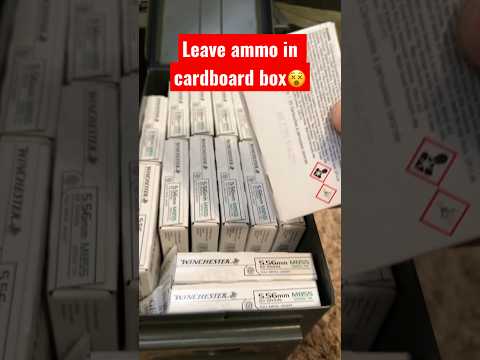
To preserve primer sensitivity and powder burn rate, store purchased supply in a cool, dry environment with stable temperatures below 75°F, as heat accelerates propellant degradation and desensitizes primers. Seal ammunition in airtight ammo cans with desiccant packs, since humidity corrodes primers and alters powder chemistry. Orient boxes vertically, not flat, to minimize primer compound stress and prevent uneven burn-rate shifts. Avoid attic or garage storage; instead, choose a closet or basement shelf 7mm PRC Ammo for Sale away from HVAC vents. Rotate stock using lot numbers, pulling older purchases first, to ensure each round fires at its designed velocity. Controlled, consistent climate storage keeps primer impact sensitivity and powder burn rate factory-spec, eliminating duds from aged inventory.
Buying Quantities That Match Your Skill Progression and Loading Schedule
Your ammunition purchasing should mirror your skill progression, not your optimism. A beginner buying 1,000 rounds of in-stock match ammo wastes money on precision they can’t yet exploit; instead, buy 200–300 rounds of affordable practice loads to build fundamentals. As your loading schedule becomes consistent—say, two range trips monthly—scale to 500-round batches, ensuring you never deplete stock mid-training. Match quantities to what you can actually shoot within 60–90 days, preventing stale inventory and forcing you to adapt to changing skill levels. When you plateau, upgrade to premium in-stock defensive rounds in small lots (50–100) to test performance, then commit to bulk only after confirming reliability. This disciplined approach keeps your ammo fresh, your wallet efficient, and your progress measurable—every round bought must serve a specific drill or benchmark, not vague hoarding.
Determining If 50-Round Boxes, Bulk Packs, or Case Lots Fit Your Practical Needs
Choosing between 50-round boxes, bulk packs, and case lots hinges on your actual cadence, not speculation. If you shoot a few magazines per range visit, 50-round boxes prevent overstocking and let you rotate lot numbers for consistent accuracy. Bulk packs (often 100–250 rounds) suit weekly drills, offering a lower per-round cost while remaining portable. Case lots, typically 500–1,000 rounds, only make sense when your schedule demands monthly volume—such as competitive practice or defensive refreshers—and you have secure storage. Buying a case before you’ve established a steady routine risks tying up cash in ammo that sits idle. Match packaging to verified consumption: track your last three months, then buy the smallest unit that meets that threshold. This keeps your inventory fresh and your budget flexible.
Select 50-round boxes for low-volume precision, bulk packs for regular practice, and case lots only when your confirmed monthly output justifies bulk purchasing.
Calculating Rounds Per Session for Sight-In Drills, Mag Dumps, and Sustained Fire Practice
Calculating rounds per session begins by separating drill types, as sight-in work consumes roughly 10–20 rounds per firearm to establish zero, while mag dumps demand 30–60 rounds depending on magazine capacity and repetition count. Sustained fire practice, focused on recoil management and trigger control, typically requires 100–150 rounds to generate meaningful muscle memory without inducing fatigue-driven flinch. To align with a loading schedule, tally these figures against your weekly range trips—if you visit twice weekly, a session comprising 20 sight-in rounds, two 30-round mag dumps, and 100 sustained fire rounds equals 180 total, necessitating a 360-round on-hand buffer per week. Calculating rounds per session protects your inventory by preventing overbuying for slow progression weeks or understocking for intensive practice blocks. Always round upward by 10% to absorb sight-in foulers and malfunction drills.
For sight-in drills, mag dumps, and sustained fire, compute per-session totals—20, 60, and 100 rounds respectively—then 7.62×51 Ammo for Sale multiply by weekly sessions and add a 10% buffer to match your skill progression and reload cadence.